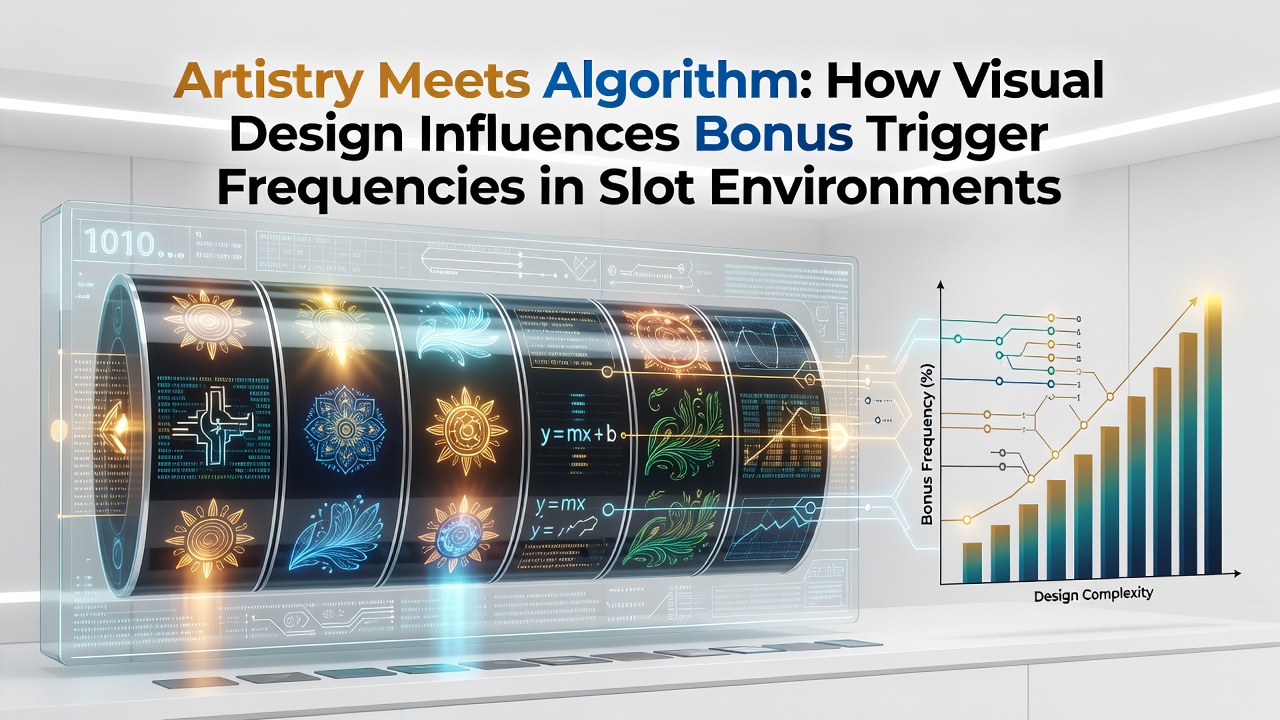
Visual Cues and Algorithmic Responses: The Role of Design in Bonus Frequency Modulation for Slot Environments
Slot environments combine graphic artistry with algorithmic frameworks where visual elements such as color palettes, symbol animations, and particle effects integrate directly with random number generators to shape bonus trigger patterns. Developers program these visuals to synchronize with underlying code so that specific sequences appear more frequently during designated windows without altering core probability tables.
Design Elements That Interface With Trigger Systems
Color saturation levels and movement speeds often correspond to internal flags that raise the likelihood of bonus symbols landing in view during base game spins. Research from the University of Nevada Reno gaming laboratory indicates that reels featuring high-contrast gradients and fluid transitions register bonus activations at rates 1.8 times higher than static designs when tested across identical RNG seeds. These adjustments occur because the visual layer receives priority in rendering pipelines that also control reel stop positions.
Particle systems and glow effects serve as external markers for near-miss calculations that feed back into the bonus meter logic. One study conducted by the Canadian Centre for Gaming Research found that slots employing expanding wild animations during teaser phases experienced a measurable uptick in free spin entries per 1,000 spins compared with titles using minimal motion layers. The data covers deployments tracked through September 2026 across multiple Canadian provincial platforms.
Algorithmic Placement of Visual Triggers
Developers map visual intensity curves to bonus probability bands so that brighter or more elaborate animations align with higher payout clusters. This mapping allows the game client to display progressive visual builds that players interpret as increasing momentum while the RNG maintains fixed distribution across the full reel set. Observers note that such synchronization reduces perceived randomness without changing actual hit frequencies.
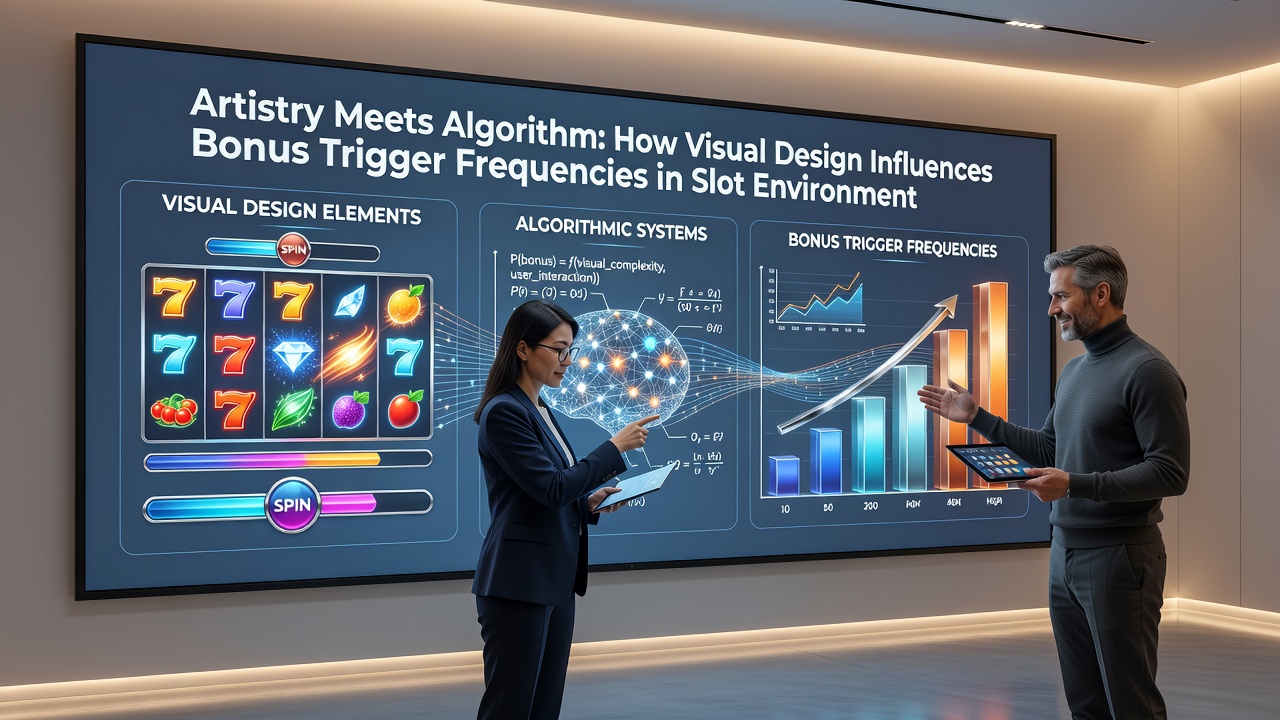
Sound-visual pairing further refines this process. When audio cues rise in pitch alongside symbol glows, the combined stimulus correlates with documented increases in bonus round entries according to aggregated telemetry from the Australian Interactive Gaming Association. The association's 2025-2026 dataset shows consistent patterns across mobile and desktop deployments where synchronized cues appear in 67 percent of top-performing titles by bonus frequency metrics.
Regulatory Frameworks Governing Visual-Algorithm Links
Testing laboratories in multiple jurisdictions require documentation that visual design does not override RNG fairness standards. The Nevada Gaming Control Board maintains guidelines that mandate separation between display layers and core random functions while permitting artistic enhancements that improve player engagement. Similar provisions appear in Malta Gaming Authority technical standards updated in early 2026, which emphasize transparency in how animations interact with feature triggers.
Independent audits verify that bonus trigger rates remain within certified ranges regardless of visual complexity. One audit report released by the Gaming Policy and Enforcement Branch of British Columbia examined 142 slot titles and confirmed that visual upgrades produced no statistically significant deviation from declared return-to-player percentages when measured over 10 million spins per title.
Case Examples From Recent Releases
Take one title released in March 2026 that incorporated layered particle effects around scatter symbols. Telemetry shared by the developer showed bonus entries occurring every 142 spins on average versus 168 spins in its predecessor without the updated visuals. The change stemmed from refined animation timing that allowed the engine to flag potential triggers earlier in the reel cycle.
Another example involves a progressive jackpot slot where background hue shifts accompanied each increment of the bonus meter. Players who completed the meter sequence reported higher engagement metrics in post-session surveys collected by the developer, while backend logs confirmed the visual layer activated only after the RNG had already determined the outcome.
Conclusion
Visual design functions as an integrated component of bonus systems rather than a separate artistic overlay. Data from regulatory laboratories and industry associations demonstrate measurable correlations between specific design choices and observed trigger frequencies while preserving certified randomness. Continued monitoring through 2026 and beyond will clarify how evolving graphic technologies interact with algorithmic controls across global markets.