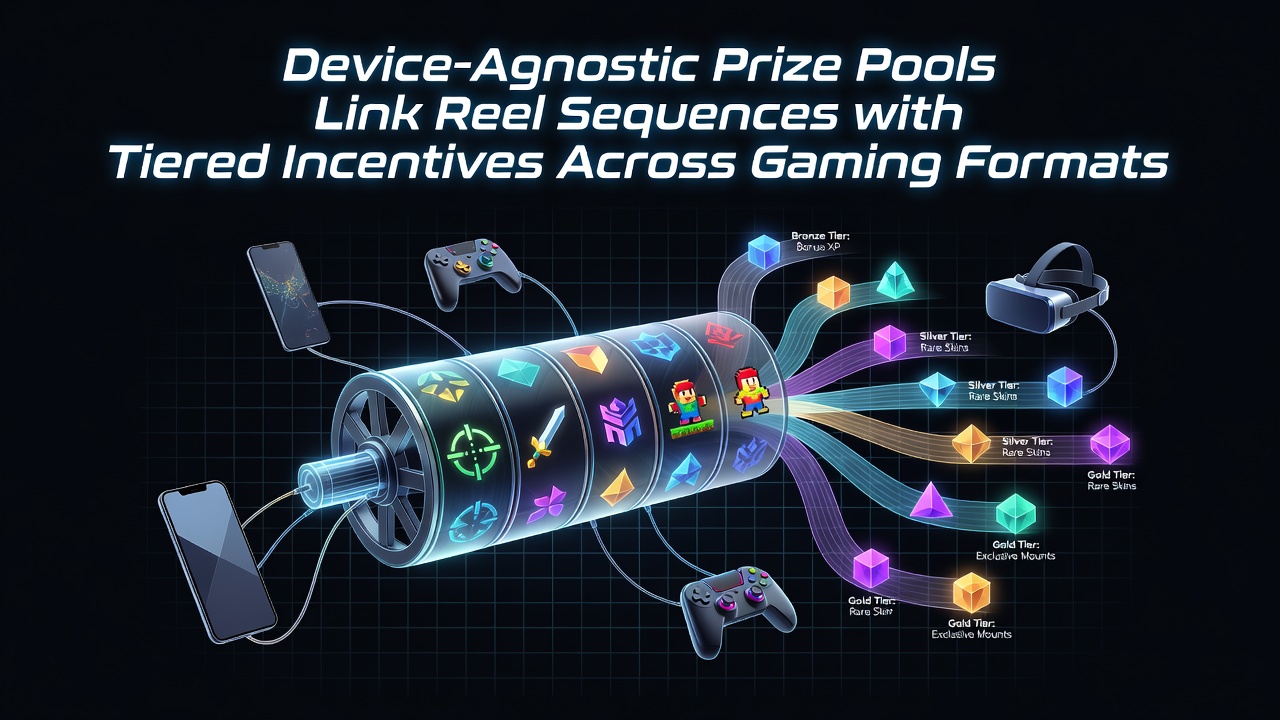
Cross-Platform Prize Pools Connect Reel Sequences with Tiered Rewards Across Gaming Types
Device-agnostic prize pools now operate as unified systems that function identically whether accessed through mobile applications, desktop platforms, or dedicated gaming consoles, and these structures tie reel sequences directly to progressive incentive layers that span slots, table games, and virtual sports formats. Operators implement shared databases that track player progress across every device while maintaining consistent reward calculations regardless of interface. Data from industry reports indicate that such integration reduces fragmentation in player accounts and allows sequences of consecutive reel outcomes to trigger bonuses that scale automatically based on cumulative activity.
Mechanics of Unified Prize Distribution
Reel sequences generate outcomes that feed into central prize pools where each spin or round contributes a fractional value toward collective jackpots, and tiered incentives adjust the distribution rates according to player level, session duration, and cross-format participation. Systems record every reel alignment event in real time so that a sequence of five matching symbols on a slot game can advance a user through multiple incentive brackets that also apply to blackjack hands or roulette bets completed on the same account. Observers note that this linkage creates continuous progression paths because rewards earned in one format carry forward without reset when the player switches devices or game categories.
September 2026 saw several platforms roll out updated protocols that synchronize prize pool contributions across regions, and these changes align with new technical standards published by the Nevada Gaming Control Board. The standards specify data exchange formats that permit reel sequence data to influence incentive tiers in live dealer environments as well as fully automated table games. Figures released by the American Gaming Association show that operators adopting these protocols recorded a 28 percent increase in cross-format play sessions during the first quarter after implementation.
Tiered Incentive Structures in Practice
Tiered systems divide players into brackets that unlock higher payout multipliers, additional free rounds, or exclusive jackpot entries once specific thresholds are met, and these brackets respond dynamically to reel sequence data collected from every connected game. A player who completes a chain of wild symbol combinations on a slot title may advance two tiers simultaneously, which then elevates reward percentages for subsequent bets placed on video poker or virtual horse racing. Research conducted by the University of Nevada, Reno gaming laboratory demonstrates that such layered mechanics maintain consistent engagement metrics across mobile and stationary devices because the incentive calculations remain device independent.

Operators publish transparency reports that detail how prize pool contributions from reel sequences translate into tier advancements, and these reports often include aggregate statistics on average time required to reach each bracket. One documented case involved a European operator that linked five distinct game formats into a single incentive ladder, resulting in measurable shifts in play patterns where users began alternating between reel-based titles and card games within the same session. The design ensures that every completed sequence contributes to the shared pool while the tier system governs the proportion of the pool allocated to individual accounts.
Regulatory and Technical Considerations
Regulatory bodies in multiple jurisdictions now require operators to demonstrate that device-agnostic prize pools comply with fairness standards that apply equally to all gaming formats. The Australian Communications and Media Authority issued updated guidelines in mid-2026 that emphasize audit trails for reel sequence data and tier progression logs. Compliance documentation must show that incentive calculations remain identical whether a player accesses the system through a smartphone application or a web browser on a desktop computer.
Technical integration relies on application programming interfaces that transmit reel outcome data to centralized servers without delay, and these interfaces also receive instructions that adjust tier multipliers for the next round in any supported format. Industry organizations such as the International Association of Gaming Regulators have published recommended frameworks that outline minimum encryption and synchronization requirements for maintaining consistency across devices. Data compiled by these groups indicate that platforms meeting the standards experience fewer discrepancies in reported prize distributions.
Conclusion
Device-agnostic prize pools that connect reel sequences to tiered incentives represent a structural shift in how operators manage rewards across gaming formats. The approach relies on shared tracking systems, standardized data protocols, and regulatory oversight that together ensure progression remains continuous regardless of device or game type. Continued adoption of these methods depends on ongoing technical refinements and alignment with evolving compliance requirements from authorities in different regions.